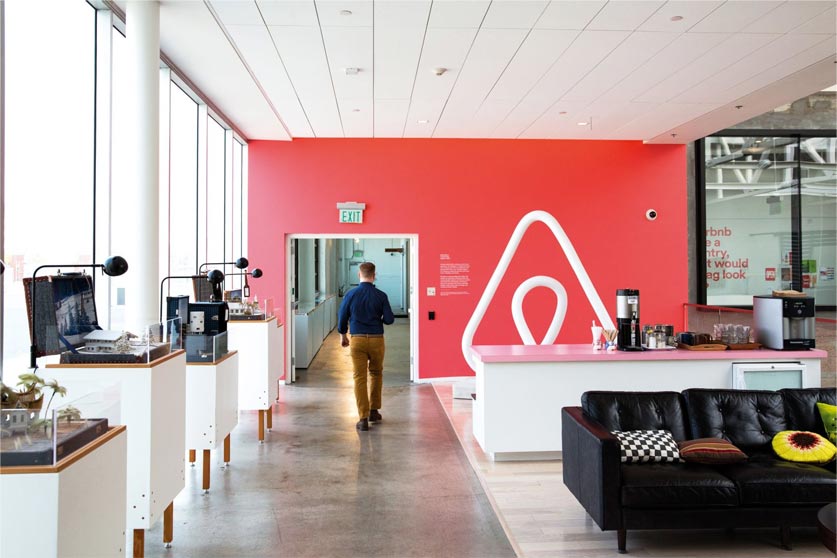
Unveiling the Airbnb Culture: Redefining Travel and Hospitality

Airbnb, a trailblazing platform that disrupted the travel industry, has not only revolutionized the way people find accommodations but also fostered a unique culture that has left an indelible mark on the world of hospitality. In this blog post, we will delve into the essence of the Airbnb culture, exploring how it has redefined travel, transformed the concept of hosting, and shaped the way we experience new destinations.

Embracing Diversity and Inclusivity:
At the core of the Airbnb culture is a celebration of diversity and inclusivity. By connecting hosts and guests from different backgrounds, cultures, and perspectives, Airbnb has created a platform that encourages travelers to immerse themselves in local communities and experience destinations through the eyes of their hosts. This emphasis on inclusivity has fostered a sense of belonging and cultural exchange, allowing travelers to connect with people they might not have encountered through traditional travel methods.

Sharing and Trust:
One of the pillars of the Airbnb culture is the idea of sharing. Through the platform, hosts open their homes and share their spaces with guests, creating a more personal and authentic travel experience. This act of trust has been instrumental in building a community of responsible and respectful travelers who value the unique connections that can be forged through shared experiences. The Airbnb culture encourages both hosts and guests to embrace trust and foster a sense of mutual respect, resulting in unforgettable interactions and lifelong connections.

Local Immersion and Authentic Experiences:
Airbnb has redefined travel by promoting the idea of living like a local. By offering a diverse range of accommodations, from cozy apartments to unique and off-the-beaten-path stays, Airbnb encourages guests to immerse themselves in the local culture and experience destinations beyond the typical tourist attractions. The Airbnb culture inspires travelers to seek out authentic experiences, interact with locals, and discover hidden gems that may not be found in guidebooks.

Community Engagement:
The Airbnb culture thrives on community engagement, fostering a sense of belonging among hosts and guests alike. The platform facilitates meaningful connections through features like reviews, recommendations, and local guides, encouraging travelers to engage with the community and support local businesses. This sense of community extends beyond individual trips, as hosts often form networks, share insights, and provide assistance to fellow hosts. The Airbnb culture nurtures a spirit of collaboration and camaraderie, creating a global community united by a passion for travel and hospitality.

Sustainable and Responsible Travel:
Recognizing the importance of sustainability, the Airbnb culture has embraced responsible travel practices. Through initiatives like the Airbnb Green Program and Airbnb Experiences promoting local artisans and sustainable tourism, the platform encourages hosts and guests to prioritize environmentally friendly choices. By integrating sustainability into the Airbnb culture, the platform contributes to the preservation of natural resources and the well-being of local communities.

Conclusion:
The Airbnb culture has transformed the way we travel and experience the world. Through its commitment to diversity, inclusivity, trust, local immersion, community engagement, and sustainable travel, Airbnb has created a global movement that celebrates authentic experiences, meaningful connections, and responsible exploration. The Airbnb culture goes beyond providing accommodations; it represents a fundamental shift in the way we view travel, embracing the idea that true exploration is about connecting with people, embracing new perspectives, and immersing ourselves in the rich tapestry of the world. As the Airbnb culture continues to evolve, it will undoubtedly shape the future of travel, inspiring a new generation of adventurers to discover, connect, and create lifelong memories.
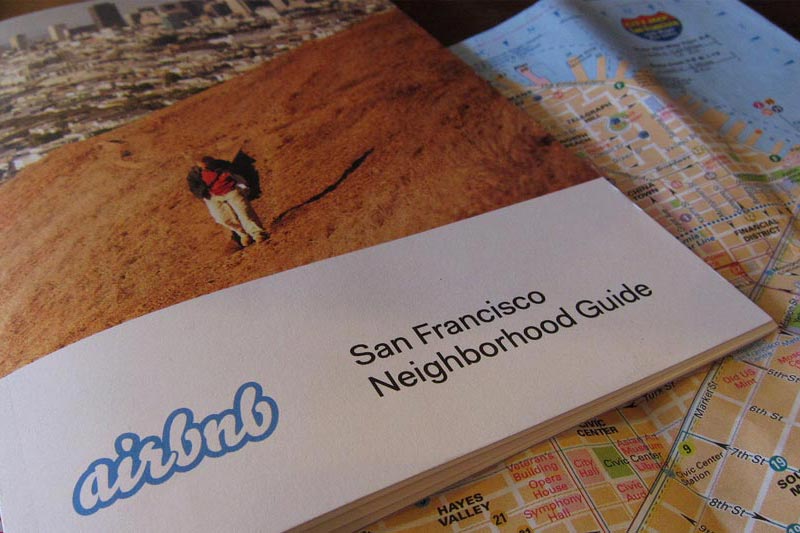

From Traveling to Experience: How the “Travel Like a Local” Movement Changed Hospitality

The way we approach travel has evolved significantly in recent years. Traditional tourist activities and sightseeing have given way to a new trend: experience travel. In this blog post, we will explore how the “Travel Like a Local” movement has transformed the hospitality industry, shifting the focus from simply visiting a destination to immersing oneself in the local culture and creating meaningful experiences.

Authenticity and Cultural Immersion:
The “Travel Like a Local” movement emphasizes the desire to experience a destination authentically. Travelers no longer seek cookie-cutter itineraries but instead yearn for a deeper connection with the local culture. This shift has prompted hospitality providers to adapt and offer accommodations and activities that showcase the true essence of a place. From staying in local homes through platforms like Airbnb to participating in community-led tours and workshops, travelers now have the opportunity to engage with locals and gain genuine insights into their way of life.

Personalization and Customization:
Experience travel caters to individual preferences and interests, allowing travelers to create personalized itineraries tailored to their tastes. The availability of unique accommodations, such as boutique hotels and themed rentals, enables guests to curate their stay according to their desired experience. This emphasis on customization has prompted hospitality providers to offer a wide range of options, ensuring that travelers can find accommodations and activities that align with their specific interests, whether it’s food and wine, adventure, art and culture, or sustainable travel.

Connection and Community:
The “Travel Like a Local” movement fosters connections between travelers and local communities. Engaging with locals and supporting local businesses has become an integral part of the travel experience. Hospitality providers have recognized the importance of creating opportunities for travelers to connect with the community, whether through organized cultural events, immersive workshops, or recommendations for local hotspots. This sense of connection enhances the overall travel experience, making it more meaningful and memorable.

Sustainable and Responsible Travel:
As travelers increasingly prioritize sustainability, the hospitality industry has responded by offering eco-friendly accommodations and promoting responsible tourism practices. From eco-lodges and green hotels to initiatives that support local conservation efforts, the focus on sustainable travel has gained momentum. Travelers now seek accommodations and experiences that align with their values, contributing to the preservation of the environment and the well-being of local communities.

Digital Transformation:
The rise of technology has played a significant role in shaping the “Travel Like a Local” movement. Online platforms and social media have empowered travelers to discover hidden gems, connect with like-minded individuals, and share their experiences with a global audience. This digital transformation has enabled hospitality providers to reach a broader audience and showcase their unique offerings, fostering a sense of community and inspiring others to embark on their own experience travel journeys.

The “Travel Like a Local” movement has fundamentally changed the hospitality industry, shifting the focus from traditional sightseeing to immersive, authentic experiences. This shift has brought about a range of benefits, including increased personalization, a stronger connection to local communities, a heightened sense of sustainability, and the democratization of travel through digital platforms. As travelers continue to seek meaningful and transformative experiences, hospitality providers must adapt and embrace this movement to create unforgettable journeys that go beyond ordinary tourism. By doing so, they contribute to a new era of travel where exploration is not just about visiting a place but immersing oneself in its essence and leaving with a deeper understanding of its culture, people, and way of life.

How BNB Management Companies Are Revolutionizing Hospitality

The rise of the sharing economy and the popularity of platforms like Airbnb have transformed the way people travel and seek accommodations. As the industry continues to evolve, a new breed of companies has emerged to cater to the growing demand for professional management services for short-term rentals. In this blog post, we will explore the role of BNB management companies and how they are revolutionizing the hospitality sector.

Streamlined Operations:
BNB management companies provide property owners with a comprehensive suite of services designed to streamline the entire rental process. From listing creation and optimization to guest communication, check-ins, cleanings, and maintenance, these companies handle every aspect of managing a short-term rental property. By taking care of operational tasks, property owners can focus on other aspects of their lives or invest in additional properties without the hassle of day-to-day management.

Enhanced Guest Experiences:
One of the primary goals of BNB management companies is to ensure exceptional guest experiences. These companies understand the importance of delivering consistent quality and providing guests with a seamless stay. From professionally cleaning and preparing the property to promptly addressing guest inquiries and concerns, they strive to create a memorable and positive experience for every guest. This level of attention to detail contributes to higher guest satisfaction rates and positive reviews, which, in turn, can lead to increased bookings and revenue.

Local Market Expertise:
BNB management companies have in-depth knowledge of the local market and the latest trends in the short-term rental industry. They can provide property owners with valuable insights on pricing strategies, occupancy rates, and demand patterns. By leveraging their expertise, these companies help property owners optimize their rental income and maximize the potential of their investments. Additionally, they can advise owners on property improvements, decor choices, and amenities that appeal to guests and differentiate their listings from the competition.

Professional Marketing and Listing Optimization:
Standing out in a crowded marketplace is essential for attracting guests. BNB management companies excel in marketing properties effectively and optimizing listings to maximize visibility and bookings. They leverage their expertise in digital marketing, professional photography, and persuasive copywriting to create compelling listings that capture the attention of potential guests. By employing strategies such as search engine optimization and online advertising, these companies ensure that properties receive maximum exposure and reach the right audience.

Compliance and Legal Assistance:
Navigating the complex regulatory landscape of short-term rentals can be daunting for property owners. BNB management companies provide valuable support in ensuring compliance with local laws and regulations. They stay up-to-date with changing regulations, obtain necessary permits and licenses, and help owners avoid potential legal pitfalls. By adhering to local regulations, property owners can operate with confidence, knowing that their rentals are in full compliance.

BNB management companies have emerged as key players in the hospitality sector, providing property owners with professional services to optimize their short-term rental businesses. Through streamlined operations, enhanced guest experiences, local market expertise, professional marketing, and legal assistance, these companies are transforming the way properties are managed and marketed. By partnering with BNB management companies, property owners can unlock the full potential of their properties, generate higher returns, and offer exceptional experiences to their guests. As the industry continues to evolve, these companies will play an increasingly vital role in shaping the future of hospitality.

The Airbnb Movement: Redefining Hospitality and Experiences

In recent years, the hospitality industry has experienced a paradigm shift with the emergence of the Airbnb movement. This groundbreaking concept has transformed the way we travel and experience destinations, offering a unique blend of comfort, affordability, and authentic local experiences. In this blog post, we will explore the impact of the Airbnb movement on the hospitality industry and how it has redefined the notion of hospitality itself.

The Rise of the Sharing Economy:
The Airbnb movement is deeply rooted in the sharing economy, which promotes the utilization of underutilized resources. By allowing homeowners to rent out their properties to travelers, Airbnb has unlocked a vast inventory of accommodations, ranging from private homes and apartments to unique and unconventional spaces. This diverse range of options offers travelers the opportunity to choose accommodations that suit their preferences, budgets, and desired experiences.

Authentic Local Experiences:
One of the most significant advantages of the Airbnb movement is the ability to immerse oneself in the local culture and experience a destination from a unique perspective. Unlike traditional hotels, Airbnb listings are often located in residential neighborhoods, allowing travelers to live like locals and discover hidden gems that are off the beaten path. Hosts often provide personalized recommendations and insider tips, enhancing the overall travel experience and creating lasting memories.

Empowering Hosts and Local Communities:
Airbnb has empowered individuals to become hosts and leverage their properties to generate income. This has not only provided a financial boost to homeowners but has also contributed to the economic development of local communities. The influx of travelers staying in Airbnb accommodations has increased foot traffic to local businesses, restaurants, and attractions, thereby supporting the local economy and fostering a sense of community engagement.

Enhanced Flexibility and Affordability:
The Airbnb model offers unparalleled flexibility and affordability for both hosts and guests. Hosts can choose when to make their accommodations available and set their own pricing, while guests have the freedom to select accommodations that align with their preferences and budgets. This flexibility has made travel more accessible to a broader range of individuals, enabling them to explore new destinations without breaking the bank.

Evolving Hospitality Standards:
The success of the Airbnb movement has compelled traditional hotels to adapt and evolve their offerings. To compete with the personalized experiences and unique accommodations offered by Airbnb, hotels have had to enhance their amenities, embrace technology, and prioritize guest satisfaction. This healthy competition has ultimately raised the bar for hospitality standards, benefiting travelers worldwide.

The Airbnb movement has revolutionized the hospitality industry by empowering hosts, offering authentic local experiences, and redefining the concept of hospitality itself. With its vast network of accommodations and personalized touch, Airbnb has transformed the way we travel, fostering a deeper connection between travelers and the communities they visit. As this movement continues to grow and evolve, it will undoubtedly shape the future of travel, emphasizing the importance of authenticity, affordability, and meaningful experiences. Whether you’re a traveler seeking a unique adventure or a homeowner looking to share your space, the Airbnb movement has opened up a world of possibilities, reimagining the way we explore and embrace the world.