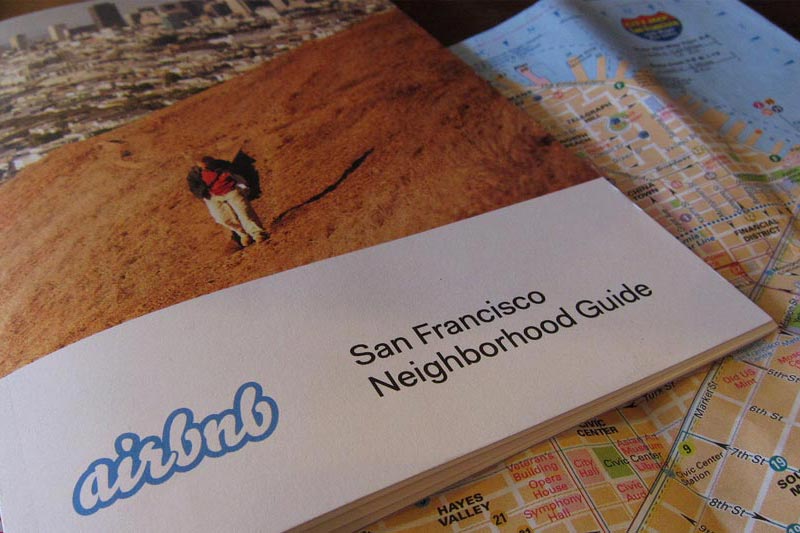
The way we approach travel has evolved significantly in recent years. Traditional tourist activities and sightseeing have given way to a new trend: experience travel. In this blog post, we will explore how the “Travel Like a Local” movement has transformed the hospitality industry, shifting the focus from simply visiting a destination to immersing oneself in the local culture and creating meaningful experiences.
Authenticity and Cultural Immersion:
The “Travel Like a Local” movement emphasizes the desire to experience a destination authentically. Travelers no longer seek cookie-cutter itineraries but instead yearn for a deeper connection with the local culture. This shift has prompted hospitality providers to adapt and offer accommodations and activities that showcase the true essence of a place. From staying in local homes through platforms like Airbnb to participating in community-led tours and workshops, travelers now have the opportunity to engage with locals and gain genuine insights into their way of life.
Personalization and Customization:
Experience travel caters to individual preferences and interests, allowing travelers to create personalized itineraries tailored to their tastes. The availability of unique accommodations, such as boutique hotels and themed rentals, enables guests to curate their stay according to their desired experience. This emphasis on customization has prompted hospitality providers to offer a wide range of options, ensuring that travelers can find accommodations and activities that align with their specific interests, whether it’s food and wine, adventure, art and culture, or sustainable travel.
Connection and Community:
The “Travel Like a Local” movement fosters connections between travelers and local communities. Engaging with locals and supporting local businesses has become an integral part of the travel experience. Hospitality providers have recognized the importance of creating opportunities for travelers to connect with the community, whether through organized cultural events, immersive workshops, or recommendations for local hotspots. This sense of connection enhances the overall travel experience, making it more meaningful and memorable.
Sustainable and Responsible Travel:
As travelers increasingly prioritize sustainability, the hospitality industry has responded by offering eco-friendly accommodations and promoting responsible tourism practices. From eco-lodges and green hotels to initiatives that support local conservation efforts, the focus on sustainable travel has gained momentum. Travelers now seek accommodations and experiences that align with their values, contributing to the preservation of the environment and the well-being of local communities.
Digital Transformation:
The rise of technology has played a significant role in shaping the “Travel Like a Local” movement. Online platforms and social media have empowered travelers to discover hidden gems, connect with like-minded individuals, and share their experiences with a global audience. This digital transformation has enabled hospitality providers to reach a broader audience and showcase their unique offerings, fostering a sense of community and inspiring others to embark on their own experience travel journeys.
The “Travel Like a Local” movement has fundamentally changed the hospitality industry, shifting the focus from traditional sightseeing to immersive, authentic experiences. This shift has brought about a range of benefits, including increased personalization, a stronger connection to local communities, a heightened sense of sustainability, and the democratization of travel through digital platforms. As travelers continue to seek meaningful and transformative experiences, hospitality providers must adapt and embrace this movement to create unforgettable journeys that go beyond ordinary tourism. By doing so, they contribute to a new era of travel where exploration is not just about visiting a place but immersing oneself in its essence and leaving with a deeper understanding of its culture, people, and way of life.